-

-
 October 16, 2026
60Hz High Pressure Washer Suppliers in UAE
-

-

-
 September 25, 2026
60Hz Commercial Clothes Dryer Supplier in UAE
How Can a Reliable Marine Refrigeration Supplier Improve Ship Operations?
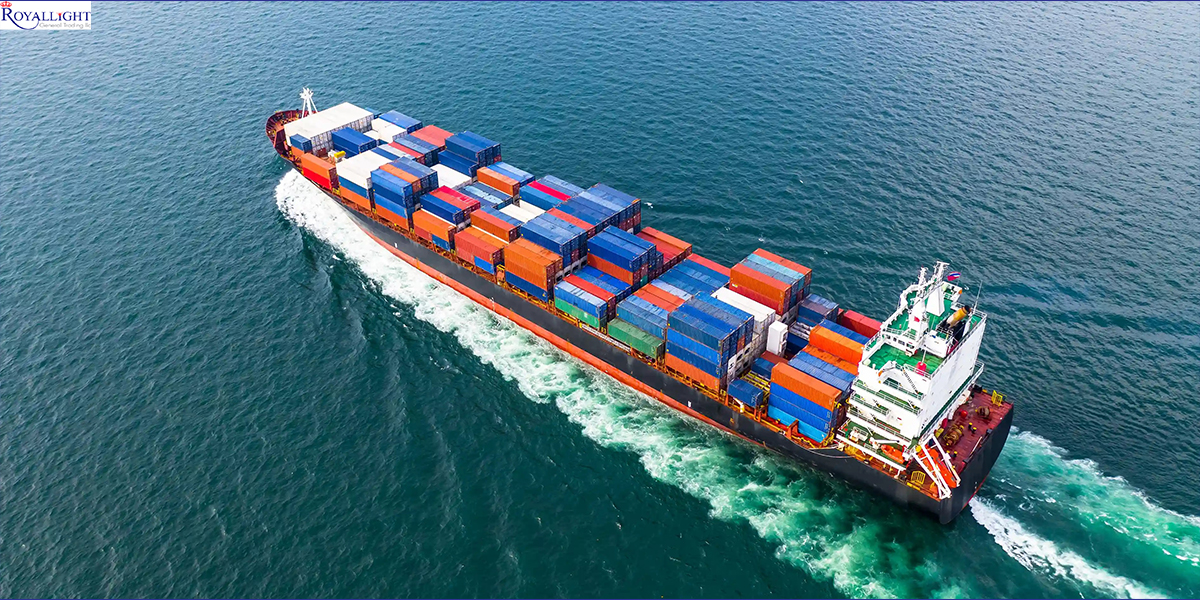
It is evident that marine vessels cannot run without effective refrigeration systems. Irrespective of whether it is a passenger liner, a cargo vessel, fishing ship, or oil rig platforms, effective refrigeration system is key to effective storage and transportation of food, medicines, comfort and safe operations. Therefore, selection of an ideal Marine Refrigeration Supplier becomes critical in the marine industry.
Effective refrigeration systems do not only ensure proper temperatures are maintained within the ships. The effectiveness of the refrigeration systems determines the effectiveness of the operations, energy usage, and reliability of the equipment in use.
Selection of a reliable marine refrigeration supplier ensures that there is a sustainable and efficient operation of the marine vessels.This article explores the impact of marine refrigeration suppliers on ship operations.
What Does a Marine Refrigeration Supplier Provide?
A Marine Refrigeration Supplier is an organization that manufactures specialized refrigerating equipment suitable for use within a marine setting. These machines work effectively in the following operating conditions:
- Humidity
- Saltwater exposure
- Vibration
- Limited space
List of products supplied by marine refrigeration suppliers include:
- Refrigeration equipment
- Cold storage equipment
- Freezers & chillers
- HVAC coolants
- Compressor unit
- Condensers & evaporators
- Refrigeration equipment spare parts
- Installation services
Some applications where marine refrigeration solutions are commonly employed include:
- Cruise ships
- Container vessels
- Fishing vessels
- Military naval ships
- Offshore drilling platforms
- Storage facilities on board marine crafts
Why Refrigeration Is Important in Marine Operations
The refrigeration systems are crucial for various activities onboard. The lack of efficient cooling systems on board may cause a lot of difficulties to marine vessels.
Food Preservation
The cruise and cargo ships store a considerable amount of food for the passengers and the crew onboard. Some refrigeration systems allow the following products to stay fresh and unspoiled:
- Meat and fish
- Dairy products
- Fruits and vegetables
- Frozen products
- Beverages
- Medical Products
Marine vessels may also be transporting various medicines that need stable temperatures to be maintained.
Medical Storage
Vessels frequently have onboard medical items like drugs and other medical materials which must be stored under controlled temperatures to preserve their quality.
Cargo Protection
A majority of cargo ships contain temperature-sensitive cargo such as fishery products, pharmaceutical products, and chemicals. Refrigeration helps preserve their quality during shipment.
Comfortable Conditions
Refrigeration systems on ships also serve the purpose of maintaining comfortable conditions for passengers and the crew.
How a Reliable Marine Refrigeration Supplier Improves Ship Operations
Using a seasoned supplier comes with many operational benefits for marine firms.
High Quality Equipment Improves Reliability
The marine environment is tough. The refrigeration equipment on board works round-the-clock and has to deal with:
- Saline atmosphere
- Humidity
- Vibration
- Continuous use
- Little chance for maintenance
Using a Marine Refrigeration Supplier results in durable units constructed with marine-grade parts and sophisticated cooling systems.
This minimizes:
- Unforeseen breakdowns
- Temperature variations
- Disruptions to operations
- Maintenance requirements
This enables the vessel to function efficiently while traveling great distances.
Energy-Efficient Systems Reduce Operational Costs
Energy conservation is an important issue in marine operations. The refrigeration equipment uses much power onboard, especially for cruise ships and refrigerated cargo ships.
The current marine refrigeration systems have the following elements:
- Energy-efficient compressors
- Temperature control system
- Highly efficient condenser
- Environmentally friendly refrigerant
- Variable speed drive
Such characteristics ensure a reduction in fuel and electrical usage while sustaining the cooling capacity.
The reduction in energy consumption leads to:
- Cost savings
- Fuel efficiency
- Environmental conservation
For large marine operations, these savings can be substantial over time.
Better Temperature Control Protects Products
Temperature stability plays an essential role in marine refrigeration. Any small changes may affect the products, medicines, or cargo stored there. The services provided by qualified suppliers include:
- Accurate temperature measurement
- Digital control system
- Automation alarms
- Remote management abilities
The stable cooling process increases the safety of products and prevents any monetary losses due to deterioration.
Insulation Importance
In addition, suppliers guarantee proper insulation of the refrigerating area.
Quick Technical Support Minimizes Downtime
Any equipment malfunctions can hamper the whole ship’s activities. Any delays that occur as a result of the malfunctioning refrigeration equipment will impact the food supply, cargo handling, and passengers’ service.
The expertise of a marine refrigeration supplier should include:
- Technical support
- Emergency services
- Access to spare parts
- Preventive maintenance
Timely services assist in resolving the problem within a minimum amount of time.
Availability of Spare Parts Is Crucial
Since marine businesses travel far distances, the accessibility to spare parts is crucial.
Customized Solutions for Different Vessel Types
Each vessel has its own refrigeration needs. A fishing vessel would have to install blast freezers, whereas an ocean liner would require huge cold storage units for food and drinks.
Professional suppliers take into consideration factors like:
- Size of the vessel
- Capacity for storing
- Travel route
- Available power
- Refrigeration needs
This ensures that suitable refrigeration units are installed based on the marine application.
Compliance With Marine Safety Standards
Refrigeration systems for marine applications have to conform to safety and environmental standards. Companies supplying such equipment know all about the relevant requirements and supply equipment meeting them.
It could mean adherence to:
- IMO requirements
- Safety standards for marine applications
- Refrigerant environmental requirements
- Efficiency standards
Improved Food Safety on Cruise Ships
Cruise ships have huge hospitality facilities. It is important that food safety be maintained to ensure good passenger health and happiness.
The use of effective refrigeration systems ensures proper storage of:
- Dining halls
- Kitchen facilities
- Drinking facilities
- Food preparation areas
The provision of reliable refrigeration minimizes contamination opportunities.
High-end hospitality services are expected by passengers, and refrigeration systems assist in upholding this standard.
Smart Technology Improves Monitoring
The latest refrigeration units are equipped with sophisticated monitoring systems that enhance their operation control capabilities.
They might feature such elements as:
- Digital operating console
- Internet-of-things based monitoring system
- Fault detection automation
- Temperature tracking
- Remote troubleshooting
Such intelligent systems enable operators to monitor refrigeration activity continuously and detect any problem before it becomes critical.
Factors to Consider When Choosing a Marine Refrigeration Supplier
Suppliers must be properly evaluated before making your decision.
Experience
Suppliers with experience can comprehend the issues associated with marine operations better.
Quality
Refrigeration systems used in marines must contain quality materials resistant to corrosion.
Technical Support
A supplier must provide after-sales technical assistance.
Spare Parts
Having spare parts easily accessible reduces repair time during marine operations.
Energetic
The use of energy-efficient systems will reduce operational costs.
Compliance
Go for suppliers that offer equipment in line with marine requirements.
Future Trends in Marine Refrigeration Systems
Sustainability and energy efficiency have gained importance for marine refrigeration.
Future trends include:
- Environmentally friendly refrigerants
- Monitoring systems
- Automation
- Cooling systems with reduced emissions
- AI for performance enhancement
- Energy recovery systems
With stringent environmental regulations, marine players are making more investments in refrigeration technologies.
Conclusion.
The best Marine Refrigeration Supplier can make a lot of difference in enhancing vessel functionality, safety, efficiency, and comfort on board. Whether it comes to keeping the food fresh or protecting the cargo as well as saving energy costs and time, marine refrigerators have become a must in modern shipping business.
By choosing the best company offering the needed products and services, one makes sure to get reliable and efficient equipment.
In other words, it is necessary to invest in marine refrigeration system to maintain the desired level of vessel performance.
Need Help?
Check Our FAQs
Find answers to common questions.
Marine Refrigeration Supplier provides refrigeration products and services that are meant to be used in ships and marine platforms. These products include the provision of refrigeration equipment, cold rooms, compressors, chillers, freezers, cooling for HVAC system, spare parts, installation, and maintenance services.
There are several reasons why marine refrigeration is very significant in ships. This includes ensuring that the products remain fresh throughout the journey, maintaining hygiene aboard ships, and also helping run industries in ships efficiently.
Advanced and energy-efficient marine refrigeration system is made to use less fuel while being very efficient at work. This allows ship operators to spend less on fuel and reduce chances of breaking down. It also reduces the need for frequent repairs and maintenance, hence lowering cost of operation.
Almost all types of marine vessels are dependent on marine refrigeration system such as cruise ships, cargo ships, fishing boats, naval ships, offshore drilling facilities, and commercial marine fleet among others.
I should focus on the quality of the products, experience in the marine sector, technical assistance, spare parts, energy efficiency, and marine safety standards.